

Prioritising community safety
02 December 2024
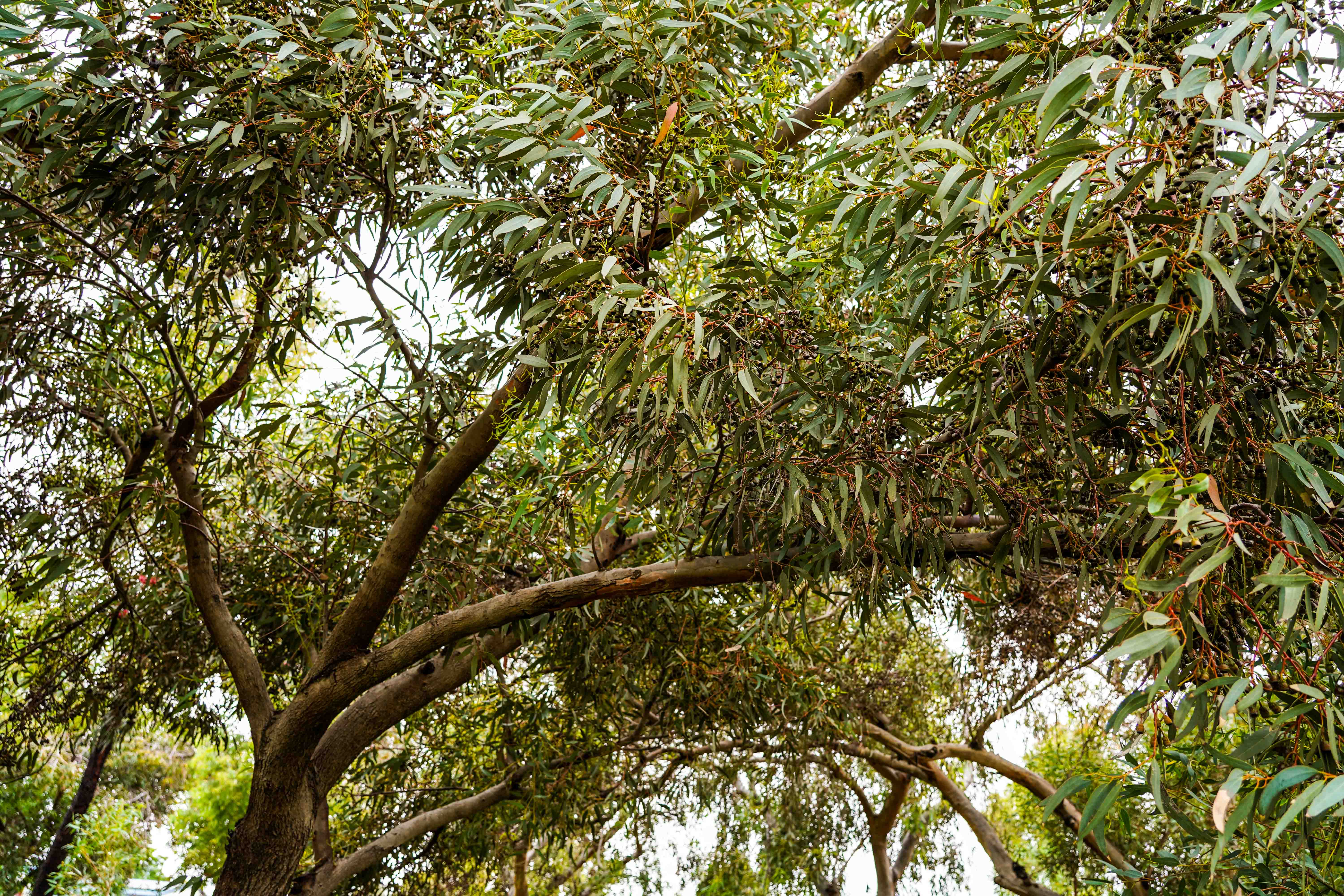
Whyalla City Council is focusing on community safety by prioritising the removal of trees deemed to present a potential risk, while ensuring the ongoing greening of the city.
All trees reach the end of their safe life for various reasons, which can include age, disease and weather events.
With a number of trees reaching end-of-life at a similar time – primarily due to age – combined with limited resources to deal with them, council now has a backlog that it needs to prioritise. It has begun working through a targeted program utilising specialist contractors to ensure these trees can be dealt with in a safe and timely manner, prioritising the highest-risk trees first.
Mayor Phill Stone said he understood people may not be in favour of tree removal, particularly those trees that had been around for many years, but council had a duty of care to uphold.
“It’s great to see how passionate the community is about our environment and keeping our city green,” Mayor Stone said.
“We’re just as passionate and, in an ideal world, would prefer not to remove any trees. But when it comes to a point that trees present a potential risk to the community – which has been demonstrated with several near misses from falling trees and branches last year – then public safety has to be prioritised.
“As such, council has engaged contractors to assist in removing high-risk trees and is working through a program in consultation with our expert arborist to prioritise the removal of at-risk trees over the coming years. The removal program was also audited by an external expert to ensure it aligns with relevant standards."
Mayor Stone said not all of the trees being removed would be replaced, as council already had about 20,000 trees to maintain between a tree crew of only five people.
“However, it’s important to realise that our open spaces team has already planted almost 4000 new trees across the city in the past three years – as a result of requests from the community to continually green the city – so this significantly outnumbers the trees that have been or will be removed for safety reasons and has actually increased our overall tree numbers," he said.
“We obviously now need to reevaluate this ongoing planting program from a safety and maintenance perspective to ensure it can be managed by the resources we have available.”
Utilising contractors to get on top of the tree removal backlog will also free up council’s tree team to focus on prevention and maintenance work, helping reduce the number of trees needing to be removed in future, while being able to respond to any unforeseen tree failures.
Council encourages the community to continue to report any tree-related issues – the response and timing will be dependent on the level of risk.
FAQ's
How many trees are you going to remove?
There are several hundred that will need to be removed over the next five years, with the exact numbers per year still to be determined. The order in which they're removed will be based on the level of risk, with the highest-risk trees prioritised. As mentioned, this number has been more than off-set by almost 4000 new trees that have already been planted across the city in the past three years.
Is this a knee-jerk reaction to last year's near-miss at the Ada Ryan Gardens?
It is not a knee-jerk reaction, as we believe the near miss warranted an in-depth review into our tree risk profile. These incidents are also just some of the factors leading to a thorough risk review and additional funds being allocated to fast-track the removal of at-risk trees.
Can’t the trees be pruned, rather than completely removed?
We prioritise pruning wherever possible. However, some trees cannot be safely maintained for a variety of reasons and so need to be removed.
How have so many trees got to the point that they’re unsafe?
This is primarily due to these trees reaching end-of-life as a result of their age. We have a tree crew of only five people that can only deal with so many end-of-life trees at once, which is why we now need to create this program of works utilising expert contractors.
Why have you planted more trees than you can maintain?
This current issue is a result of the number of trees planted over a vast amount of time (80 or so years) reaching end-of-life simultaneously due to age, combined with the limited resources we currently have to deal with them, rather than relating to our planting program in recent years. However, it demonstrates that we need to reevaluate our ongoing planting program from a safety and maintenance perspective. This greening program was initiated as a result of requests from the community and local businesses, but we need to ensure it can be managed by the resources we have available.
Why don’t you have enough resources to properly maintain trees across the city?
The city was originally planned for a population of 50,000. This means we have a large number of assets (particularly trees / roads / footpaths / medians / alleyways) spread right across the city. We also currently only have a population of ~21,000, meaning there are far less rates to draw from than if our population was at the planned level of 50,000. As such, we cannot afford the resources to maintain all of these assets to the highest standards, so need to do as much as we can with the resources the community can afford.
Will you replace all the trees you remove?
This will be dependent on the number of remaining trees in each street and available watering systems. We do not have the capacity to regularly water all the trees not currently on irrigation, nor to add irrigation for these trees, as we already have about 20,000 trees to maintain between a tree crew of only five people.
However, it’s important to realise that our open spaces team has already planted almost 4000 new trees across the city in the past three years, so this significantly outnumbers the trees that have been or will be removed for safety reasons.
How come you can’t add irrigation to those areas where trees are being removed but aren’t currently irrigated, allowing new trees to be planted?
In an ideal world, this is exactly what we would do, and it may be possible in some instances. However, irrigation installation is a time-consuming and costly process and unfortunately won’t be practical for every area where trees are being removed and irrigation isn’t currently installed.
Why is this being spread out over several years if there’s a risk identified now? Are you putting the community at risk by not removing them all now?
The majority of trees deemed to represent a high or immediate risk have been removed. The remainder being identified represent an increased but not immediate risk. The ongoing program is being scheduled based on the level of risk.
Am I able to contest particular trees being removed?
These trees have been identified for removal due to safety reasons, so this cannot be compromised.
Will you be keeping the community informed as trees are being removed?
If a large number of trees are to be removed from a particular area, then we will communicate this with nearby residents prior to any work to ensure they’re aware of why trees are being removed. If trees are being removed from a public space - such as Ada Ryan Gardens - then we'll put notifications up at the site prior to the removal.
Why is there inconsistency with the types of trees across the city?
Past practices over the decades were not always focused on creating a consistent look across the city. However, our ongoing planting program will aim to create a more uniform approach. There will also be some community consultation in relation to this.